

Table of Contents
- Quick Comparison: Best Smart Fitness Recovery Gadgets 2026
- How We Selected These Recovery Gadgets
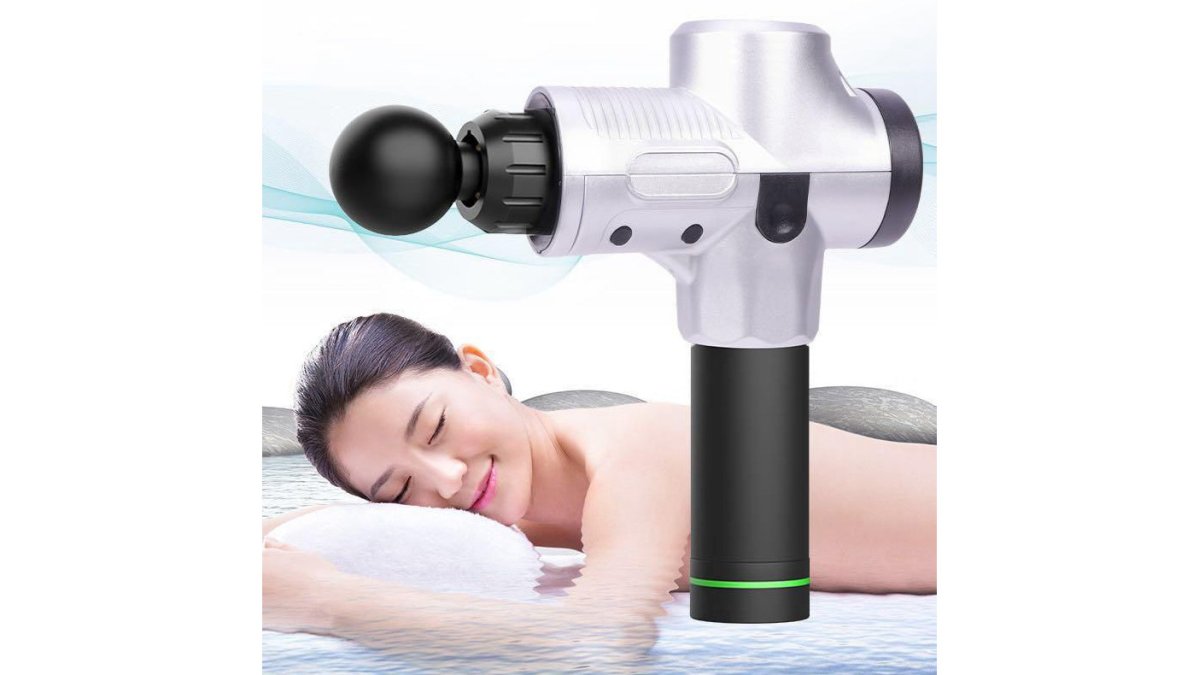
- Pro Massage Gun Deep Tissue Percussion Massager
- Dual Channel TENS Machine Pain Relief Unit
- Far Infrared Heating Pad for Back
- Acupressure Mat and Pillow Set Lotus Design
- Best Muscle Recovery Tools for Athletes: Foam Rollers, Massage Sticks and Balls
- Silicone Cupping Therapy Set and EMS Foot Massager Mat
- The Bottom Line
- Frequently Asked Questions
Last Updated: September 11, 2026
Quick Comparison: Best Smart Fitness Recovery Gadgets 2026
The best smart fitness recovery gadgets 2026 split into two camps: powered devices (percussion, electrotherapy, infrared heat) and manual tools that rely on your own body weight and technique. At Indira Enterprises Ltd, we curate both because the right answer depends on which muscle group is complaining and how much time you will commit.
| Gadget | Price | Best For | Type |
|---|---|---|---|
| Pro Massage Gun | £64.02 | Deep tissue, large muscle groups | Powered |
| Dual Channel TENS Machine | £41.86 | Localised pain relief | Powered |
| Far Infrared Heating Pad | £45.84 | Back and neck tension | Powered |
| Acupressure Mat and Pillow Set | £40.05 | Stress relief and circulation | Passive |
| Foam Roller, Massage Stick and Ball Set | £14.76-£21.26 | Pre and post-workout mobility | Manual |
| Silicone Cupping Set | £21.79 | Fascia and muscle knots | Manual |
| EMS Foot Massager Mat | £24.99 | Tired feet and circulation | Powered |
The short version: buy one powered device for the area that hurts most, then add a cheap manual tool for daily maintenance. Most people overspend on gadgets they use twice.

How We Selected These Recovery Gadgets
Every gadget here was assessed against a written protocol, not a spec sheet, to answer one question: does it change how you feel the next morning, and keep doing so after a month of ordinary use?
The testing protocol
Each powered device was used for at least 21 days in two contexts: post-training and end-of-desk-day. Manual tools were used daily for the same period. We logged four things after every session:
- Perceived change in tightness, rated 0-10 immediately after use and again 12 hours later
- Session time, from picking the device up to putting it down
- Setup friction, meaning how many steps stand between you and using it
- Durability signals, such as motor noise drift, pad adhesion loss, battery capacity fade and surface wear
We also recorded cost of ownership: a device needing a paid app to unlock its main features is priced differently from one that works out of the box, and that matters more over three years than three weeks.
What we weighted, and why
| Criterion | Weight | What it means in practice |
|---|---|---|
| Measurable physical effect | High | You can point to a muscle group that feels different |
| Time to use | High | Under 10 minutes start to finish for a single area |
| Works standalone | High | No subscription, no mandatory account |
| Battery and durability | Medium | Survives daily use for a year without degradation |
| Portability | Medium | Fits a gym bag or a bedside drawer |
| Comfort for repeated wear | Medium | Relevant for anything worn against skin |
We deliberately did not rank on feature count: a percussion gun with eight heads is not better than one with four if you only ever fit two.
The recovery metrics that actually matter
Four metrics carry most of the signal:
- Heart rate variability (HRV), the variation in time between heartbeats. A sustained drop from your own baseline is a common marker of incomplete recovery, illness or accumulated stress. It is only meaningful against your own trend, never against someone else's number.
- Resting heart rate, a rise of a few beats per minute above your normal baseline often tracks with fatigue, dehydration or oncoming illness.
- Sleep duration and continuity, total sleep matters, but so does how often you wake. Fragmented sleep blunts recovery regardless of total hours.
- Respiratory rate during sleep, one of the more stable overnight signals, and a useful early warning when it drifts upward.
Rather than chasing a single daily readiness score, watch the direction of these four over two to three weeks, then adjust training load when two or more move the wrong way at once.
Smart rings versus wrist-worn trackers
This is the choice most buyers face, and it changes how you use a recovery gadget.
| Factor | Smart ring | Wrist-worn tracker |
|---|---|---|
| Comfort for 24/7 wear | Generally better; low profile, no screen | Bulkier, can catch on clothing |
| Overnight data quality | Strong for sleep and HRV | Good, but movement can affect readings |
| On-device feedback | Minimal; you check the app | Immediate glanceable stats |
| Charging cadence | Typically every few days | Often daily or every other day |
| Best fit | Sleep and recovery focus | All-day activity and workout tracking |
If overnight recovery data is your priority, a ring usually wins on comfort; for live mid-session feedback, a wrist device is more practical. Many people end up with one of each, which is fine as long as you are not paying two subscriptions for overlapping data.
Sleep quality is the recovery lever
No gadget here outperforms sleep: a percussion gun can release a tight calf, but it cannot undo four nights of six-hour sleep. Treat sleep as the primary recovery input and everything else as support:
- Keep a consistent sleep and wake window, including at weekends
- Keep the bedroom cool and dark
- Avoid heavy training within two hours of bed
- Use wind-down tools, such as the acupressure mat below, as a cue rather than a cure
Where your data goes
Recovery devices collect some of the most personal data you own: heart rhythm, sleep architecture, menstrual cycle patterns and location. Before buying, check three things:

- Is your health data sold or shared with advertisers? The answer should be an unambiguous no.
- Is it encrypted in transit and at rest? Look for that wording specifically.
- Can you export or delete it? A one-click export is a good sign; a support ticket requirement is not.
Under the UK GDPR, health data is special category data, which means it needs a lawful basis and stronger protections than ordinary personal data. You can read the ICO guidance on health data for what organisations are expected to do. If a device maker cannot tell you plainly where your data is stored and who can access it, treat that as a reason to look elsewhere.
Clinical and preventative health integration
Most fitness trackers stop at the app. The more interesting question is whether data can travel into your healthcare record. Some devices now export a PDF or structured summary for a GP appointment, useful when discussing sleep problems, palpitations or unexplained fatigue. Still the exception, but worth checking before committing to an ecosystem.
Sustainability and repairability
High-end recovery tech is a growing e-waste category. Check before buying:
- Is the battery replaceable? Sealed batteries mean the device dies with the cell.
- Are spare parts sold? Electrode pads, massage heads and covers should be available separately.
- Is there a repair or trade-in route? Some brands now offer one; most do not.
- What is the packaging? Recyclable cardboard is now common; plastic clamshells are not.
A device you can maintain for five years is cheaper and lower impact than three replaced every 18 months.
NHS guidance on muscle strains and sprains is clear that most soft tissue injuries settle with time, gentle movement and pain relief rather than aggressive intervention. That principle shaped this list: nothing here should be used hard enough to cause bruising, and nothing replaces a diagnosis when pain persists.
Pro Massage Gun Deep Tissue Percussion Massager
The Pro Massage Gun is the most versatile powered tool here. Six speeds up to 3,200 RPM and eight heads cover calves, quads, glutes and upper back. The motor runs under 45dB, and the 2,500mAh battery gives up to six hours between charges. At £64.02 it is the priciest item, and it earns that.

How to Use Percussion Massage Guns Effectively
Most people press too hard and move too fast. The correct technique is slower and lighter than you expect: rest the head on the muscle, let the device work, and glide at roughly 2cm per second.
- Set the speed low to start, around setting 2 or 3
- Use a round head for large muscles, a bullet head for trigger points
- Spend 30 to 60 seconds per muscle group, no more
- Keep the head moving; never hold it in one spot
- Skip bony areas, joints and the neck
A common mistake is marathon sessions. Ten minutes total is plenty for a full lower body; longer sessions irritate tissue rather than releasing it.
Dual Channel TENS Machine Pain Relief Unit
TENS works differently from percussion: small electrical pulses interrupt pain signalling and encourage endorphin release. The Dual Channel unit at £41.86 includes 20 programmes, 80 intensity levels and eight electrode pads, and treats two areas at once, such as both shoulders after a desk day.
The honest limitation: TENS masks pain, it does not fix the cause. Use it to get through a workday or sleep through the night, not as a substitute for addressing posture or load.
Far Infrared Heating Pad for Back
Heat remains underrated. The Far Infrared Heating Pad at £45.84 penetrates 3 to 5cm deeper than a conventional pad, reaching muscle and joint tissue rather than just warming skin. The 50x60cm size covers a full back, with six temperature settings and auto shut-off.
Where it falls short: it is a plug-in device, so it is a home tool, not a gym bag item. If you want something you can use at a desk, a smaller pad or a heated wrap suits better.
Acupressure Mat and Pillow Set Lotus Design
The Acupressure Mat and Pillow Set is the cheapest way to build a daily wind-down habit. Thousands of small points press into the skin, uncomfortable for the first two minutes and relaxing after five. It costs £40.05, needs no power, and the organic cotton cover and carry bag make it easy to store.
This is where psychological recovery and mental health tracking enter the picture. The physical effect is modest, but the routine matters: lying still for ten minutes with no screen is often the most useful part.
Best Muscle Recovery Tools for Athletes: Foam Rollers, Massage Sticks and Balls
For athletes, the best muscle recovery tools are usually the cheapest. A High-Density Foam Roller at £21.26 handles quads, IT bands and upper back. A Trigger Point Massage Stick at £16.39 reaches calves and hamstrings without getting on the floor. A Trigger Point Massage Ball Set at £14.76 gets into glutes, feet and shoulders where a roller cannot.
All three cost less than the massage gun. The trade-off is effort: manual tools require you to supply the pressure, which is why they work well for mobility and poorly when you are exhausted.
| Tool | Price | Best Target Area | Session Length |
|---|---|---|---|
| Foam Roller | £21.26 | Quads, back, IT bands | 5-10 minutes |
| Massage Stick | £16.39 | Calves, hamstrings | 2-3 minutes per leg |
| Massage Ball Set | £14.76 | Glutes, feet, shoulders | 1-2 minutes per point |
Silicone Cupping Therapy Set and EMS Foot Massager Mat
Two niche picks round out the list. The Silicone Cupping Therapy Set at £21.79 gives 12 cups in four sizes with no pump or flame, making it practical at home. Expect circular marks that fade over a few days; that is normal, not damage.
The EMS Foot Massager Mat at £24.99 targets a problem most recovery kits ignore: tired feet, poor circulation and plantar fasciitis discomfort. It folds flat for storage, and if you spend long shifts on your feet it solves a problem no massage gun can reach.

The Bottom Line
Building a recovery kit is a sequencing problem, not a spending problem. Start with one manual tool to learn your tight spots, add a powered device for the area that hurts most, then consider specialist gadgets. The best smart fitness recovery gadgets 2026 are the ones you use on a Tuesday evening, not the ones with the longest feature list.
Pick your starting point
| If you are... | Start with | Then add |
|---|---|---|
| New to recovery tools | Foam roller and massage ball set | Percussion gun once you know your tight spots |
| Desk-bound with neck and shoulder tension | Far infrared heating pad | Acupressure mat for evening wind-down |
| Training four or more times a week | Percussion gun | Massage stick for calves and hamstrings |
| On your feet all shift | EMS foot massager mat | Massage ball for plantar and arch work |
| Managing persistent localised pain | Dual channel TENS unit | GP review if it has not settled in a few weeks |
Budget tiers
- Under £25, manual tools only. A foam roller, stick and ball set covers most daily maintenance.
- £25 to £50, one powered device. The TENS unit, heating pad, acupressure set and foot mat all sit here.
- £50 to £75, the percussion gun, which is the single most versatile powered purchase in this roundup.
You do not need all three tiers. Most people get 80 per cent of the benefit from one manual tool and one powered device.
Recovery readiness scores: use them, do not obey them
Wearables increasingly output a single daily readiness number. Useful as a nudge, misleading as a verdict: they blend HRV, resting heart rate, sleep and recent load into one figure, so a bad night's sleep can mask a good recovery state, and vice versa. Treat a low score as a prompt to check how you feel, not an instruction to skip training.
Syncing with the apps you already use
Before buying anything with an app, check what it talks to: does it export to Apple Health or Google Health Connect, push workouts to Strava, pull sleep data from your existing wearable? A device in its own silo adds a second place to check rather than removing friction. Look for open export options over proprietary ecosystems.
The mental side of recovery
Physical recovery tools address tissue; they do not address the stress that keeps tissue tight in the first place. Ways to fold psychological recovery into the same routine:
- Use the acupressure mat as a screen-free anchor. Ten minutes lying still, at the same time each evening, does more for wind-down than the mat itself.
- Track mood alongside physical metrics. If your HRV drops on the same weeks your mood does, the driver is more likely life stress than training load.
- Watch for breath-holding during sessions. It is a common sign of underlying tension and a cue to slow down rather than push harder.
- Treat sleep as the primary recovery intervention. No gadget here compensates for chronic short sleep.
If stress, low mood or anxiety is persistent rather than occasional, that is a conversation for a GP, not a gadget purchase. Recovery tech supplements good habits; it does not substitute for care.
Frequently Asked Questions
What features should I look for in a smart fitness recovery gadget?
Focus on adjustable intensity settings, battery life, and ergonomic design. For massage guns, check speed range (up to 3200 RPM) and interchangeable heads. For TENS machines, look for dual channels and multiple programmes. For heat therapy, verify temperature settings and auto shut-off. Sensor accuracy matters if the device tracks metrics. Also check water resistance if you plan to use it after swimming or showering. A clear user interface and straightforward data synchronisation make daily use easier.
Are smart recovery devices worth the investment for home use?
Yes, if you train regularly or experience chronic tension. A percussion massage gun at £64.02 or a TENS machine at £41.86 costs less than a few professional sessions and can be used daily. These tools support active recovery, ease muscle soreness, and improve circulation. For athletes tracking training readiness, devices that monitor heart rate variability and sleep architecture add useful data. Start with one tool that matches your main complaint, then expand as needed.
How do wearable recovery trackers differ from massage devices?
Wearable trackers measure physiological data like heart rate variability, skin temperature, and blood oxygen saturation to estimate recovery score and training readiness. Massage devices physically manipulate muscle tissue to relieve tension and stimulate blood flow. They serve different purposes: wearables inform decisions about when to train hard or rest, while massage tools help you actively recover. Many athletes use both, pairing a smart ring or watch with a percussion massage gun for a complete recovery ecosystem.
What are the most effective smart recovery tools for muscle soreness?
Percussion massage guns and foam rollers are most effective for immediate soreness relief. A massage gun with adjustable speeds reaches deep tissue and improves circulation. Foam rollers work well for larger muscle groups like back and legs. For targeted knots, massage balls and sticks apply precise pressure. Far infrared heating pads add deep heat penetration for chronic tightness. Combining tools often works best: use a roller before activity and a massage gun after.
How long should I use recovery gadgets each day?
Most recovery gadgets work best in short sessions. Percussion massage guns: 2-3 minutes per muscle group, up to 15 minutes total. TENS machines: 20-30 minutes per session, once or twice daily. Far infrared heating pads: 20-30 minutes with auto shut-off. Acupressure mats: 10-20 minutes. Foam rollers: 1-2 minutes per area. Overuse can cause irritation, so follow the manufacturer's guide and listen to your body. Consistency matters more than duration.
Recovery only works when it is consistent, and consistency is easier when the kit is simple and the tools are ready to hand. Indira Enterprises Ltd stocks a curated recovery range, from the Pro Massage Gun and Dual Channel TENS Machine to foam rollers, cupping sets and the EMS Foot Massager Mat, all with secure checkout and worldwide delivery. Get started with Indira Enterprises Ltd and build a recovery routine you will actually keep.



Leave a comment
This site is protected by hCaptcha and the hCaptcha Privacy Policy and Terms of Service apply.