

Table of Contents
- Why Muscle Recovery Matters and What Slows It Down
- How to Reduce DOMS After a Hard Session
- Active Recovery vs Passive Recovery: Which Works Better
- Post-Workout Nutrition for Recovery: What to Eat and When
- Best Supplements for Muscle Recovery: What the Evidence Says
- Sleep, Stress and Recovery Tracking: The Metrics Most People Ignore
- Tools and Techniques for Faster Muscle Recovery
- Conclusion
- Frequently Asked Questions
Last Updated: September 25, 2026
Why Muscle Recovery Matters and What Slows It Down
Muscle recovery is the process your body uses to repair tissue, refill energy stores and rebuild strength after exercise. Skip it, and your next session suffers. Training breaks you down; recovery is where the gains actually happen.

Several things slow recovery down:
- Poor sleep and high stress
- Not enough protein or calories
- Dehydration and low electrolytes
- Training the same muscles day after day
- Sitting still instead of moving gently
One common mistake is treating rest days as complete inactivity. Your muscles need blood flow to clear waste products and deliver nutrients. Total stillness can leave you feeling stiffer, not fresher.
The good news? Small changes add up fast. Below, we'll show you exactly how to speed up muscle recovery with seven methods you can start today.
How to Reduce DOMS After a Hard Session
DOMS stands for delayed onset muscle soreness, the aching stiffness that shows up hours after unfamiliar or intense exercise. It usually peaks 24 to 72 hours later and fades within a few days. The discomfort comes from microscopic damage to muscle fibres and the surrounding connective tissue, followed by an inflammatory response that repairs and rebuilds them stronger. It is not caused by lactic acid, that old theory has been debunked, and lactate clears from the muscle within roughly an hour of finishing exercise.
What DOMS Actually Feels Like and When It Peaks
You'll notice tender, sore muscles that hurt when you press them or move, often worst on the second day. It is not the same as an injury. Sharp, sudden pain, swelling, dark urine or a limb that won't bear weight needs medical attention, not a recovery plan. Eccentric work, lowering a weight under control, downhill running, plyometrics, tends to produce the most soreness because the muscle lengthens while under load.
A Practical DOMS Protocol
You cannot eliminate DOMS, but you can shorten it and keep training. Work through this in order:
- Move early and gently. A 20 to 30 minute walk, easy swim or spin on the bike raises blood flow and eases stiffness. Most practitioners find light movement beats lying still for the first 48 hours.
- Eat protein and carbs together. Aim for roughly 20 to 40 grams of protein plus a carbohydrate source within a couple of hours of training. This supplies the amino acids for repair and refills glycogen.
- Hydrate with electrolytes. Sodium and potassium support muscle contraction and nerve signalling. If you sweat heavily, plain water alone can leave you short.
- Apply gentle heat. A warm bath or shower relaxes tight tissue and can take the edge off stiffness. Save ice for acute injuries and joint flare-ups, not general soreness.
- Massage or foam roll lightly. Keep pressure tolerable rather than aggressive, hard rolling on damaged tissue can add to the irritation.
- Protect your sleep. This is when growth hormone peaks and most tissue repair happens. Seven to nine hours is the target.
What Doesn't Work
Stretching sore muscles does not speed recovery and can worsen the ache if you push into pain. Anti-inflammatory medication may blunt soreness but can also dampen some of the training adaptations you are chasing, so use it sparingly rather than routinely. "Sweating it out" with another hard session on the same muscles simply adds damage on top of damage.
The Psychological Side Nobody Mentions
Soreness changes how you feel about training, not just how your legs feel on the stairs. A hard session that leaves you wrecked for three days can quietly erode motivation and sleep quality, which slows recovery further. Treating the mental load as part of the recovery picture, planning easier days, not catastrophising a bad session, and keeping a consistent routine, is a genuine edge over the standard "rest and protein" advice.
Active Recovery vs Passive Recovery: Which Works Better
Active recovery means low-intensity movement on rest days. Passive recovery means complete rest. Both have a place, but they do different jobs.
Choose active recovery when you're sore but not injured. A gentle swim, a walk or easy yoga keeps blood flowing and helps clear metabolic waste. This supports tissue repair and reduces stiffness.
Passive recovery suits you after a race, during illness or when you feel genuinely run down. Sleep is the most powerful passive tool you have.
Here's the honest answer: most people under-recover because they skip both. They train hard, then sit at a desk all day. That's neither active nor truly restful.
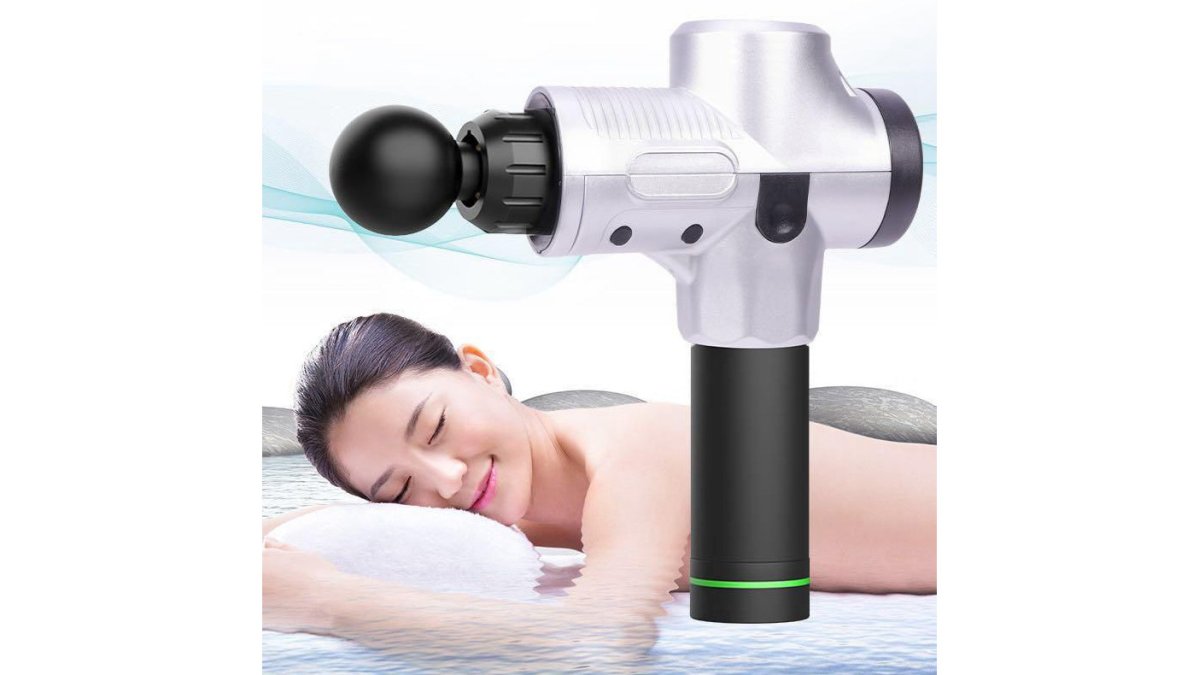
Pro Massage Gun Deep Tissue Percussion →
A simple rule: if soreness is mild, move gently.
Post-Workout Nutrition for Recovery: What to Eat and When
What you eat after training shapes how fast you bounce back. Two things matter most: protein for muscle repair and carbohydrates to refill glycogen.
- Greek yoghurt with fruit
- Chicken or tofu with rice
- A protein shake with a banana
- Eggs on wholemeal toast
The Anabolic Window and Nutrient Timing
The "anabolic window" is the period after exercise when your muscles are most receptive to nutrients. It's wider than most people think, roughly a few hours rather than 30 minutes.
Best Supplements for Muscle Recovery: What the Evidence Says
Supplements are where marketing outruns evidence by the widest margin. A few have solid support behind them. Many are sold on hope. Below is an honest read on what is worth your money and what is not, with the caveat that no supplement outperforms sleep, food and sensible training.
Worth Considering
Creatine monohydrate has the strongest body of evidence of any recovery and performance supplement. It supports strength, power output and muscle repair, and it is cheap. A common approach is around 3 to 5 grams per day, taken consistently rather than cycled. It does not need to be timed around training.
Overhyped or Unproven
Branched-chain amino acids (BCAAs) remain popular, but the evidence is weak if you already eat enough protein. They supply three of the nine essential amino acids, so they cannot build muscle on their own. They may help in narrow cases, training fasted or eating a low-protein diet, but for most people they are an expensive way to drink flavoured water.
How to Read a Supplement Label
- Check for a third-party batch test or quality mark, the supplement market is lightly regulated, and what is on the label is not always in the tub.
- Look for the actual dose per serving, not just the ingredient name. Many blends list a long list of ingredients with no amounts.
- Be wary of proprietary blends that hide individual doses behind a single figure.
- Introduce one product at a time so you can tell what is helping and what is upsetting your stomach.
The Placebo Problem
A meaningful share of the benefit people feel from a recovery supplement comes from believing it will work, the placebo effect is real and measurable. That does not make supplements useless, but it does mean you should judge them on evidence and cost, not on how confident the marketing sounds. Spend your money on the fundamentals first, then add the two or three products with genuine support behind them.
Sleep, Stress and Recovery Tracking: The Metrics Most People Ignore
Sleep is the single most powerful recovery tool, and most people neglect it. During deep sleep, your body releases growth hormone and repairs tissue. Cut sleep short and you blunt everything else.
- Resting heart rate: a rise can signal incomplete recovery
- Heart rate variability (HRV): higher usually means better readiness
- Sleep duration and quality
- Muscle soreness on a simple 1 to 5 scale
Tools and Techniques for Faster Muscle Recovery
The right tools make recovery easier to fit into a busy day. Here's what works and why.
Conclusion
Recovery rewards consistency, not intensity. Sleep, protein, hydration and gentle movement do most of the work, while tools like massage guns and foam rollers help you stay on track. If you want equipment that supports the process, Indira Enterprises Ltd offers a curated range built for exactly this. Browse the recovery collection, add what fits your routine, and give your muscles the support they need.
Frequently Asked Questions
How can I recover my muscles in 24 hours?
Full recovery in 24 hours is realistic only for mild sessions. Prioritise seven to nine hours of sleep, drink water with electrolytes throughout the day, eat 20 to 40g of protein within a few hours of training, and try 10 to 15 minutes of light walking or cycling. A percussion massage gun or foam roller can ease tightness. If you still feel heavy the next morning, your body needs more time, not more intensity.
What are the signs of poor muscle recovery?
Persistent soreness lasting more than 72 hours, a resting heart rate higher than your normal baseline, poor sleep, low mood, and a drop in gym performance all point to incomplete recovery. Central nervous system fatigue shows up as heavy limbs and reduced coordination. Tracking heart rate variability (HRV) each morning gives you a concrete number to compare against your own baseline rather than guessing.
Does protein intake really affect how fast muscles recover?
Yes. Protein supplies the amino acids needed for muscle protein synthesis, the process that repairs tissue damaged during training. Aim for roughly 1.6 to 2.2g per kilogram of bodyweight daily, spread across three to five servings. A 20 to 40g serving within a couple of hours of training supports glycogen replenishment and tissue repair. Food first, but a BCAA or whey shake is a practical option when you cannot eat a full meal.
What role does sleep play in muscle repair?
Sleep is when most tissue repair happens. Growth hormone peaks during deep sleep, and cortisol levels drop, which shifts your body into recovery mode. Consistently sleeping under seven hours raises cortisol, slows muscle protein synthesis, and worsens delayed onset muscle soreness. Keeping a consistent bedtime, dimming screens an hour before bed, and taking magnesium glycinate are practical ways to support sleep hygiene and circadian rhythm.



Leave a comment
This site is protected by hCaptcha and the hCaptcha Privacy Policy and Terms of Service apply.