


Table of Contents
- Why Home Health Management Matters
- Wearable Health Technology for Continuous Monitoring
- Home Health Monitoring Devices: Essential Vital Sign Trackers
- Remote Patient Monitoring Tools for Proactive Care
- Medication Management Apps and Adherence Support
- Pain Management and Recovery Equipment
- Choosing the Right Tools: A Selection Framework
- Privacy, Security, and Data Protection
- Frequently Asked Questions
Last Updated: October 5, 2026
Why Home Health Management Matters
Managing your health at home has shifted from optional to essential. Whether you're recovering from an injury, managing a chronic condition, or taking a proactive approach to wellness, today's tools let you monitor vital signs, track medication, and coordinate care without constant clinic visits.
Home health management isn't just convenience, it's catching problems early, staying independent longer, and having real data to share with your provider.
| Tool Type | Primary Benefit | Best For |
|---|---|---|
| Wearable trackers | Continuous monitoring | Fitness, sleep, heart health |
| Vital sign monitors | Precise measurements | Blood pressure, oxygen, pulse |
| Medication apps | Adherence support | Complex regimens |
| Pain management tools | Drug-free relief | Chronic pain, recovery |
| Smart home devices | Safety and convenience | Fall detection, temperature control |
Wearable Health Technology for Continuous Monitoring
Wearable devices sit at the centre of modern home health management because they work silently in the background, collecting data you'd otherwise miss.


The NHS guidance on heart health monitoring emphasises the value of understanding your baseline metrics. Our Smart Fitness Tracker Watch Heart Rate SpO2 (£48.73) delivers exactly this, 24/7 heart rate and SpO2 monitoring, 14 sport modes, and a 7-day battery life that means you're not charging constantly.
What makes continuous monitoring different from occasional check-ups is pattern recognition: irregular rhythms, stress-induced spikes, and recovery trends a single clinic visit would miss.
Home Health Monitoring Devices: Essential Vital Sign Trackers
Vital sign monitors are the workhorses of home health management, giving you clinical-grade measurements you can trust and share with your provider, unlike fitness trackers that estimate.
A blood pressure monitor sits at the top of this list.
For oxygen saturation, the Fingertip Pulse Oximeter SpO2 Monitor (£14.94) delivers medical-grade accuracy in under 10 seconds, vital if you have respiratory conditions, sleep apnoea, or are recovering from illness.

Remote Patient Monitoring Tools for Proactive Care
Remote patient monitoring (RPM) bridges the gap between home and clinic. Instead of waiting for your next appointment to report symptoms, you share readings with your provider, who can spot deterioration and adjust treatment before crisis point. The value isn't the device, it's the loop between measurement, review, and response.
A typical RPM setup has four parts:
- A measuring device, a blood pressure cuff, pulse oximeter, glucose meter, scale, or wearable.
- A transmission method, Bluetooth to an app, a cellular hub, or manual entry.
- A review layer, the app or platform where readings are stored, trended, and flagged.
- A responder, the clinician, care coordinator, or family member who acts on an alert.
If any part is missing, you have data collection, not monitoring.
What RPM Looks Like in Practice
A common pattern for hypertension: a validated upper-arm monitor takes a morning reading, the app averages the last seven days, and a threshold alert fires if the average stays above an agreed level.
For respiratory conditions, a pulse oximeter paired with a symptom questionnaire can flag declining oxygen saturation before the person feels unwell. For heart failure, daily weight plus symptom tracking catches fluid retention early.
Devices That Support Remote Monitoring
The Inspiratory Muscle Breathing Trainer (£24.38) fits this model for respiratory care. Clinically proven to reduce breathlessness, it strengthens respiratory muscles through adjustable resistance training, delivering measurable lung-capacity improvement your provider can track over weeks.
For oxygen monitoring, the Fingertip Pulse Oximeter SpO2 Monitor (£14.94) gives a reading in under 10 seconds and displays SpO2, pulse rate, and perfusion index, the numbers a clinician needs remotely.
Evidence, Limitations, and Safety
RPM is not a substitute for clinical judgement, and it is not appropriate for every condition. It works best for stable, long-term conditions where trends matter more than single readings, hypertension, type 2 diabetes, COPD, heart failure, and post-operative recovery. It is less useful for acute problems where a phone call or visit is the right response.
Three limitations are worth understanding before you invest:
- False alarms. A single out-of-range reading is often noise, a cold finger, a cuff on the wrong arm, a bad night's sleep. Thresholds based on averages or sustained patterns beat single-reading triggers.
- Device accuracy. Consumer wearables estimate; clinical devices measure. A smartwatch's SpO2 reading is not the same as a medical-grade pulse oximeter.
- Connectivity and data quality. If readings don't transmit reliably, the trend is incomplete. Poor signal, a flat battery, or a forgotten sync can leave gaps that look like improvement or deterioration when they're just missing data.
RPM supports care, it does not replace it. If you experience chest pain, severe breathlessness, confusion, or a sudden change in condition, contact urgent care services rather than waiting for an app to flag it.
Making RPM Work for You
Digital care coordination tools work alongside these devices.
What separates effective remote monitoring from data collection is accountability: when blood pressure stays elevated despite medication, your provider sees the pattern and adjusts treatment; when oxygen dips at night, sleep apnoea becomes a working hypothesis rather than a guess.
Before starting any RPM programme, agree three things with your care team: which readings matter, how often to take them, and what should trigger a call. Without that agreement, you're collecting data nobody has committed to acting on.
Medication Management Apps and Adherence Support
Missing doses isn't usually carelessness. It's complexity. When you're managing multiple medications with different schedules, it's easy to lose track. A single missed dose can undermine weeks of treatment.
Medication management apps solve this through reminders, dose tracking, and refill alerts.
Common mistakes include juggling multiple apps or relying on phone alarms you eventually ignore. Choose one app you'll actually use and set it up properly.
Pain Management and Recovery Equipment
Chronic pain and recovery don't require constant medication.
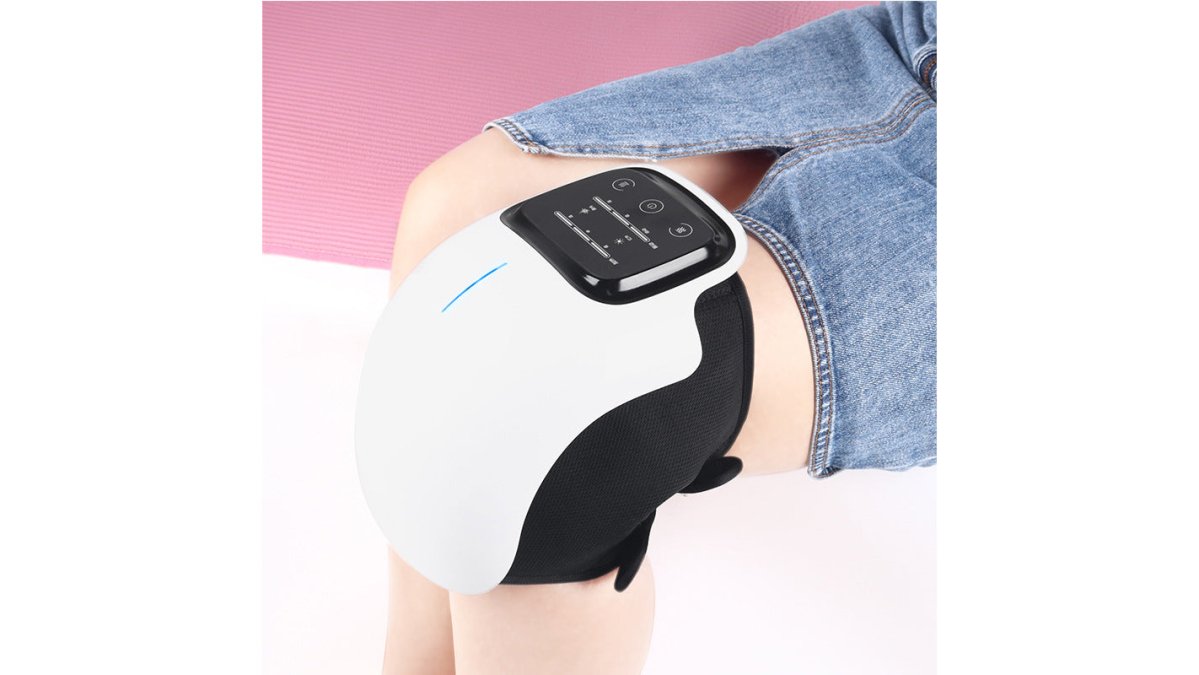
The Dual Channel TENS Machine Pain Relief Unit (£41.86) uses transcutaneous electrical nerve stimulation to block pain signals and stimulate endorphin release.

The Far Infrared Heating Pad for Back (£45.84) takes a different approach.
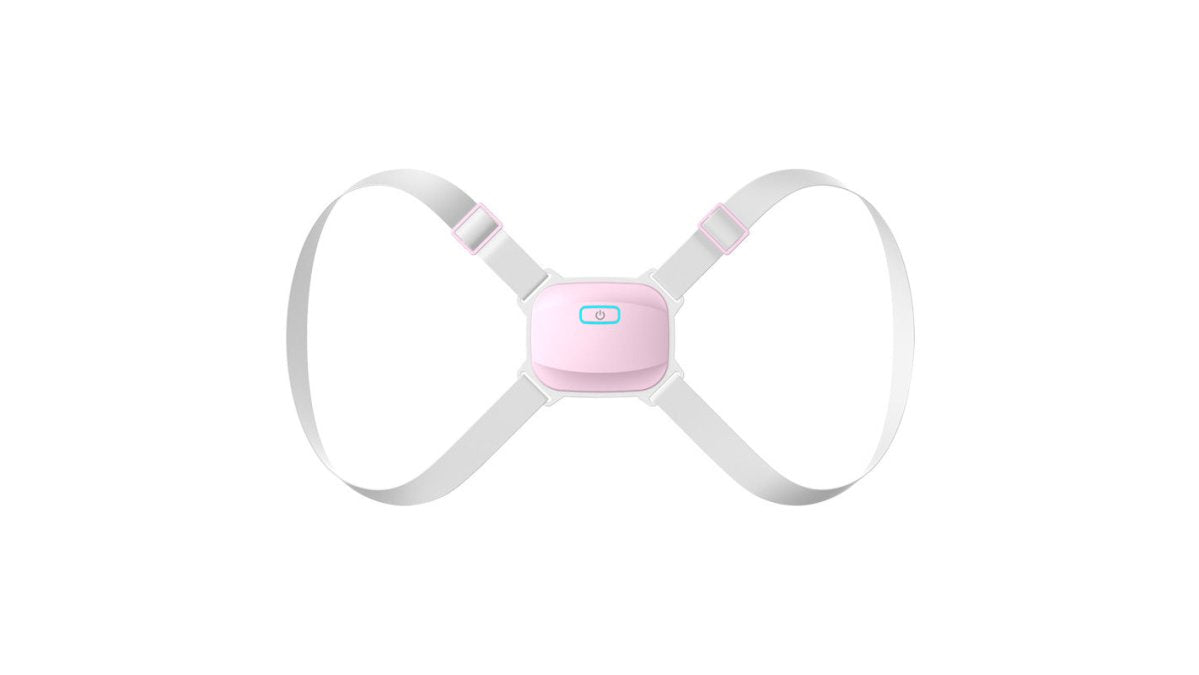
For desk-related neck and shoulder tension, the Smart Posture Corrector with Vibration Alert (£33.48) addresses the root cause.
Smart Fitness Tracker Watch Heart Rate SpO2 →
Choosing the Right Tools: A Selection Framework
Most guides tell you what tools exist; fewer tell you how to choose between them. This framework compares tools by care need, ease of use, accessibility, interoperability, and caregiver capacity, so you end up with a system rather than a drawer of abandoned gadgets.
Step 1: Define the Care Need Before the Tool
Start with the problem, not the product. 'I want to know whether my blood pressure medication is working' is a care need; 'I want a smartwatch' is a product preference. The first leads to a validated blood pressure monitor and a review routine; the second may not answer the question.
Common care needs and the tool categories that address them:
| Care Need | Tool Category | What to Look For |
|---|---|---|
| Monitoring a known condition | Validated vital sign monitors | Clinical validation, memory, trend export |
| Detecting problems early | Wearables, symptom trackers | Continuous data, alert thresholds |
| Managing complex medication | Medication apps, dispensers | Multi-drug scheduling, refill alerts |
| Reducing pain without drugs | TENS, heat therapy | Adjustable intensity, safety shut-off |
| Preventing falls or injury | Smart-home sensors, posture aids | Reliable alerts, low false-positive rate |
| Coordinating multiple carers | Shared care platforms | Multi-user access, permissions |
Step 2: Score Each Tool Against Five Criteria
Rate each candidate tool from 1 (poor) to 5 (excellent) on the following.
1. Care-need fit. Does it directly address the problem from Step 1?
2. Ease of use. Can the intended user operate it unaided?
3. Accessibility. The criterion most guides skip. Ask:
- Does it work for low vision, hearing loss, or limited dexterity?
- Does it have audio output, high-contrast display, or tactile controls?
- Does it work without a smartphone or broadband?
Digital inclusion matters. A tool that only works for confident smartphone users excludes many of the people who need home health management most.
**4.
5. Caregiver capacity. If a family member or carer will help, does the tool support it?
Step 3: Check the Total Cost of Ownership
Purchase price is only part of the cost. Add up:
- Purchase or subscription, one-off device cost versus monthly app fees.
- Consumables, replacement cuffs, electrodes, pads, batteries.
- Connectivity, data plans, Wi-Fi, or hub costs.
- Maintenance and support, warranty, repairs, customer service.
- Time, daily minutes required to use it consistently.
A £15 device you use daily beats a £150 device you abandon in a fortnight. Check what your local health services or insurer will support.
Step 4: Pilot Before You Commit
Where possible, try before you buy. Many pharmacies and community health services offer loan schemes or demonstrations. Use the tool for a week and ask:
- Did I use it daily without being reminded?
- Could I get a reading without frustration?
- Did the data reach someone who could act on it?
- Would I still use this in three months?
If the answer to any is no, the tool isn't the right fit.
Step 5: Build a System, Not a Collection
The goal is a small set of tools that work together and that you actually use. Start with the single tool addressing your primary care need, set it up properly, and add only when a clear gap appears. Two well-integrated devices beat six disconnected ones.
A simple test for any new tool: can you explain, in one sentence, what problem it solves and who acts on the data? If not, it's probably not the right purchase yet.
| Selection Factor | What to Evaluate | Why It Matters |
|---|---|---|
| Care-need fit | Does it solve the specific problem you identified? | Prevents buying tools you won't use |
| Ease of use | Can the intended user operate it unaided? | Usability drives consistency |
| Accessibility | Does it work for the user's vision, dexterity, and digital confidence? | Excludes people if ignored |
| Interoperability | Does it sync with your apps and care team's systems? | Data silos reduce usefulness |
| Caregiver capacity | Can carers access and support it? | Prevents single-person bottlenecks |
| Total cost | Purchase, consumables, connectivity, time | Affordability affects long-term use |
Privacy, Security, and Data Protection
Your health data is sensitive.
According to Information Commissioner's Office guidance on health data, personal health information receives special protection under data protection law.
Consider what health information is essential to share versus what you can keep local.
The risk isn't theoretical. Health data breaches expose sensitive information used for identity theft or medical fraud.
Home health management works best when you're not managing it alone.
Frequently Asked Questions
Which devices can help monitor health at home?
Several devices support home health monitoring: smartwatches with heart rate and SpO2 tracking (£48.73), blood pressure monitors (£37.20), pulse oximeters (£14.94), and smart scales measuring body composition (£40.53). These devices provide continuous or regular vital sign data without clinic visits, enabling early detection of changes and supporting independent health management.
How do remote patient monitoring tools work?
Remote patient monitoring tools collect health data from home devices and transmit it to healthcare providers or apps for review. Wearable devices track heart rate and activity; scales measure weight and body metrics; blood pressure monitors record cardiovascular readings. Many sync via WiFi or Bluetooth to apps compatible with Apple Health or Google Fit, creating a digital health record accessible to you and your care team.
Are wearable health devices useful for managing long-term conditions?
Yes. Wearable health technology provides continuous monitoring that helps track disease progression and treatment response. For example, heart rate and SpO2 monitoring supports cardiovascular management; smart scales track fluid retention relevant to heart failure; posture correctors (£33.48) reduce strain-related pain. Consistent data collection enables better conversations with healthcare providers and faster identification of concerning changes.
How can I choose a reliable home health monitoring device?
Prioritise clinical validation: devices like blood pressure monitors and pulse oximeters should carry accuracy certifications. Consider your specific needs, cardiovascular health requires heart rate and blood pressure tracking; respiratory fitness benefits from breathing trainers (£24.38); pain management may need TENS machines (£41.86) or heating pads (£45.84). Check battery life, ease of use, app connectivity, and whether data integrates with existing health platforms you use.
What's the difference between a smartwatch and a dedicated health monitor?
Smartwatches like the Smart Fitness Tracker Watch (£48.73) offer broad health tracking, heart rate, sleep, steps, SpO2, in one wearable device. Dedicated monitors (blood pressure monitors, pulse oximeters, scales) focus on one metric with clinical-grade accuracy. Smartwatches suit daily wellness tracking and fitness goals; dedicated monitors are better for managing specific conditions requiring precise, validated readings.
Do home health devices require a prescription or doctor approval?
Most consumer home health devices do not require a prescription; they are available for purchase directly. However, if you have a diagnosed condition (hypertension, heart disease, respiratory illness), discuss your monitoring plan with your healthcare provider to ensure devices meet clinical needs and that readings are shared appropriately for care coordination.

Leave a comment
This site is protected by hCaptcha and the hCaptcha Privacy Policy and Terms of Service apply.