

Table of Contents
- Why Choosing the Right Wellness Gadget Matters
- How to Check Health Gadget Accuracy Before You Buy
- Wellness Device Safety Standards and Regulatory Compliance
- Best Smart Fitness Recovery Gadgets 2026: What to Evaluate
- Key Features That Signal a Reliable Wellness Gadget
- Common Mistakes When Selecting Wellness Gadgets
- Making Your Final Decision
- Frequently Asked Questions
Last Updated: October 4, 2026
Why Choosing the Right Wellness Gadget Matters
Selecting reliable wellness gadgets differs from typical consumer tech because inaccurate data can lead to poor health decisions. A poor choice wastes money; an unreliable one risks your wellbeing.
Wellness gadget marketing is sophisticated, with mixed user reviews and contradictory claims. This guide helps you identify which devices deliver on their promises.
Most buyers focus on features and price before verifying clinical validation, assume professional appearance equals accuracy, and overlook data privacy. This guide covers the rigorous approach: key questions to ask, standards to verify, and red flags to watch for.
How to Check Health Gadget Accuracy Before You Buy
Accuracy is foundational to any reliable wellness gadget. Most people don't know how to verify it before buying.
Clinical Validation and Evidence-Based Testing
Ask whether the device has independent clinical validation. Look for peer-reviewed research, regulatory approvals, or third-party testing data proving it measures what it claims.
Real validation includes: testing against gold-standard methods (e.g., heart rate monitors validated against ECG), publication in reputable journals, and independent laboratory testing. Without these, you're looking at marketing.

Many devices claim "advanced sensors" or "proprietary algorithms" without proof. Genuine clinical validation is advertised prominently as a competitive advantage. If you can't find validation information easily, that's a red flag.
Sensor Technology and Real-Time Monitoring Capability
Optical heart rate sensors work well at rest but lose accuracy during intense exercise. ECG sensors (through skin electrodes) are more precise but require proper contact. Understand which technology your device uses.
Real-time monitoring provides more granular recovery and stress data. Check whether the device stores data locally (safer if connection drops) or relies entirely on cloud syncing.
Request specific sensor specifications: sampling frequency, accuracy margin, and accuracy during different activities. Vague answers indicate insufficient testing.
User Reviews and Independent Testing Data
User reviews vary widely based on individual expectations and aren't reliable alone. Look for independent testing instead.
Tech review sites, fitness publications, and health tech analysts test devices against competitors. A device performing well across multiple independent reviews is more trustworthy than one relying on testimonials alone.
Balanced reviews acknowledging limitations are more credible. If multiple independent testers report the same issue, it's a genuine problem.
Wellness Device Safety Standards and Regulatory Compliance
Before you buy, verify that the device meets the safety and data protection standards that apply in your market. This protects both your health and your privacy.
Understanding MHRA and CE Marking Requirements
In the UK, medical devices are regulated by the MHRA. Devices making medical claims must meet MHRA approval. CE marking indicates compliance with EU safety standards and remains a common baseline.
Check whether the device carries CE marking or MHRA approval. This information is usually found on the product packaging, in the manual, or on the manufacturer's website.
Regulatory compliance doesn't guarantee the device works perfectly, but it does mean an independent body has verified that the device is safe to use and that its claims are substantiated. It's a meaningful baseline.
Data Privacy and Biometric Information Protection
Wellness gadgets collect sensitive biometric data, heart rate, sleep patterns, location data, sometimes even glucose or blood oxygen levels. This information reveals intimate details about your health and habits.
Check the privacy policy. Does the company share data with third parties? Do they use it for marketing or sell it to insurance companies? Can you delete your data? Is the data encrypted both in transit and at rest?
Look for devices that offer local data storage options, where your data stays on your device rather than syncing to the cloud. This reduces the risk of data breaches.
Best Smart Fitness Recovery Gadgets 2026: What to Evaluate
When evaluating specific recovery gadgets, focus on the features that actually matter for your use case.

Heart Rate Variability and Cardiovascular Monitoring
Heart rate variability (HRV), the variation in time between heartbeats, is a useful marker of nervous system recovery. A higher HRV typically indicates better recovery, while a lower HRV suggests your body is under stress or hasn't fully recovered from previous exertion.
Look for devices that measure HRV with optical sensors (using light to detect blood flow) rather than devices that estimate it from heart rate alone. Estimation is less accurate.
Our Smart Fitness Tracker Watch with Heart Rate SpO2 monitoring offers 24/7 heart rate tracking and includes blood oxygen monitoring, which provides additional cardiovascular insight.
Sleep Architecture and Recovery Tracking Features
Sleep quality matters more than sleep quantity for recovery.
Sleep tracking relies on movement detection and sometimes heart rate variability to infer sleep stages. This isn't as accurate as laboratory polysomnography (the clinical gold standard), but it's useful for spotting trends.
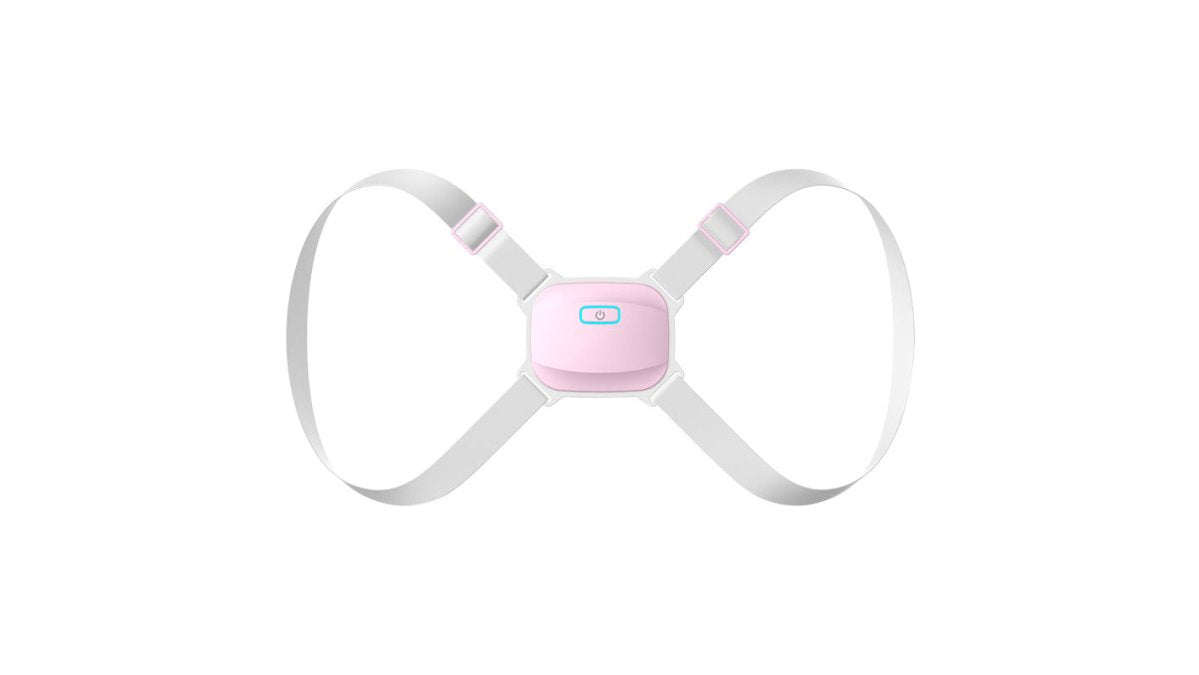
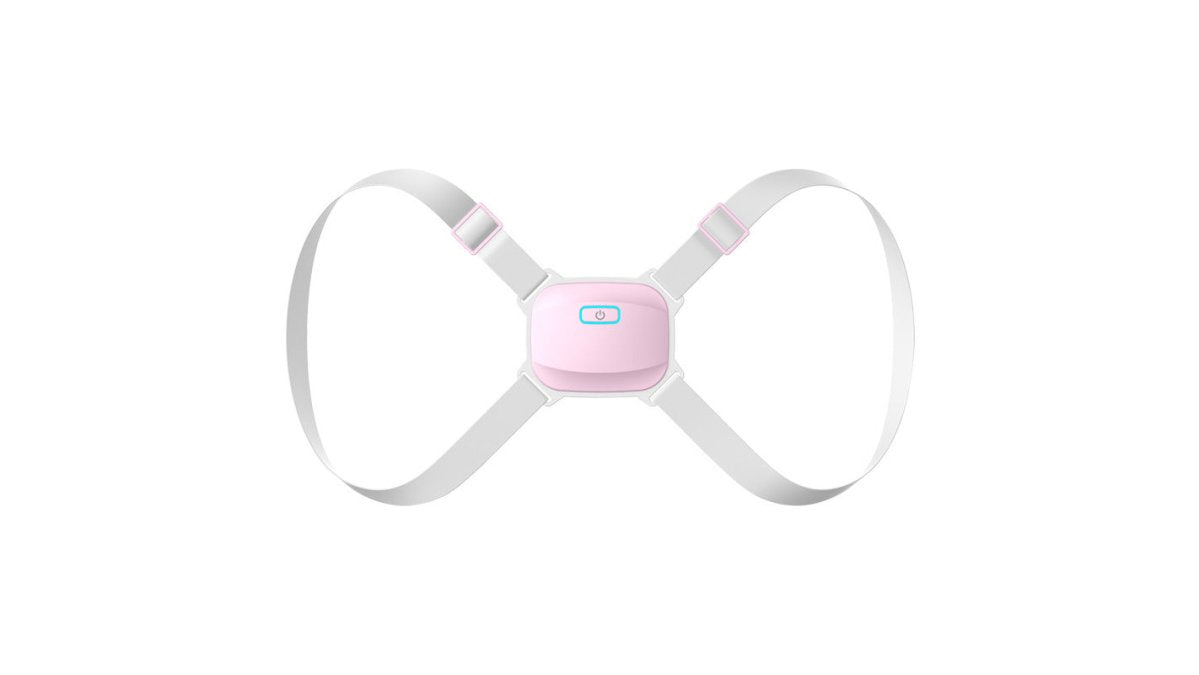
Smart Posture Corrector with Vibration Alert - Professional →
The best sleep tracking devices integrate with your other health data. If your device can connect sleep quality to heart rate, stress levels, and activity, you can identify what actually affects your recovery.
Activity Tracking and Stress Management Integration
Activity tracking should go beyond step counting. Devices that track different sport modes (running, cycling, swimming, strength training) and adjust their measurements accordingly are more useful than devices that treat all movement the same.
Stress management integration is increasingly important. Some recovery gadgets now include breathing exercises, meditation prompts, or stress level monitoring.
Look for devices with app integration that connects to your calendar, music, or other wellness apps. This ecosystem approach, where your recovery device communicates with your other health tools, creates a more complete picture of your wellness.
Key Features That Signal a Reliable Wellness Gadget
Beyond specific health metrics, certain design and technical features consistently appear in reliable devices.
Battery Longevity and Firmware Update Support
A device with poor battery life creates frustration that undermines consistent use. If you're charging a wearable every day, you'll eventually stop wearing it. Look for devices that offer at least 5-7 days of battery life between charges. This is realistic and sustainable.
Equally important: does the manufacturer release firmware updates? Software updates fix bugs, improve sensor accuracy, and sometimes add new features. A company that stops updating a device within a year of release is signalling that they've moved on. Choose devices from manufacturers with a track record of long-term software support.
App Integration and Syncing Capabilities
The device itself is only half the story. The app determines whether you'll actually understand and use the data. A good app syncs reliably, displays data clearly, and doesn't require constant manual intervention. Test the app before buying if possible, read reviews specifically about app stability and user interface design.
Syncing capabilities matter for practical reasons. Does the device sync via Bluetooth to your phone, or does it require Wi-Fi? Can you view historical data offline? Does syncing drain the device battery excessively? These details affect daily usability.
Ergonomic Design and User Experience
A device that's uncomfortable to wear won't get worn consistently. This sounds obvious, but many wellness gadgets prioritise features over comfort. If a posture corrector digs into your skin or a fitness tracker irritates your wrist, you'll stop using it.
Test the device for fit, weight, and comfort during your typical activities. Does it stay in place during exercise? Does it feel natural during work? For wearables, check the strap material, silicone is more durable than fabric, but some people find it uncomfortable.
Common Mistakes When Selecting Wellness Gadgets
Most people make predictable errors when choosing wellness gadgets. Understanding these mistakes helps you avoid them.
The first mistake is prioritising features over accuracy. A device with 20 different metrics is worthless if those metrics aren't measured accurately.
The second mistake is assuming that more expensive means more reliable. Price reflects marketing budget, brand reputation, and design as much as it reflects actual accuracy.
The third mistake is ignoring data privacy entirely. You're handing over intimate health information to a company.
The fourth mistake is buying without understanding your actual use case.
Making Your Final Decision
Once you've researched accuracy, checked regulatory compliance, and evaluated features, create a simple comparison. List the devices you're considering, note their accuracy validation, check their regulatory status, and verify their data privacy practices.
Consider starting with a less expensive device if you're uncertain about your commitment. Many people buy expensive wellness gadgets with good intentions and stop using them within weeks. A mid-range device from a reputable manufacturer might be a better starting point.
Finally, remember that a wellness gadget is a tool, not a solution. The device provides data and feedback. You provide the discipline to act on that information.
Choosing a reliable wellness gadget requires moving beyond marketing claims to verify actual accuracy, regulatory compliance, and data security. At Indira Enterprises Ltd, we stock carefully curated wellness devices that meet these standards, including options like our Smart Fitness Tracker Watch with Heart Rate SpO2 monitoring, which offers 24/7 heart rate tracking and 7-day battery life, and our Smart Body Composition Scale, which measures 13 body composition metrics with WiFi connectivity.

Frequently Asked Questions
What should I look for when buying health and wellness technology?
Prioritise clinical validation, MHRA approval or CE marking, and biometric sensor accuracy. Check whether the device tracks metrics relevant to your goals, heart rate variability, sleep architecture, or activity patterns. Look for app integration with platforms like Apple Health or Google Fit, reliable battery life (ideally 7+ days), and responsive customer support. Verify independent testing data and user reviews from credible sources rather than relying solely on manufacturer claims.
How do I verify the accuracy of wellness gadgets before purchasing?
Request evidence-based studies or clinical validation reports from the manufacturer. Compare the device's readings against medical-grade equipment if possible, or check independent testing results from consumer electronics reviewers. Read detailed user reviews that mention specific accuracy concerns, particularly for heart rate and blood pressure monitoring. Ask whether the gadget has undergone third-party validation and check if the manufacturer publishes sensor specifications openly.
Are smart wellness devices regulated for safety in the UK?
Yes. Devices that monitor health metrics or provide medical data must comply with the Medical Devices Regulations 2002 and carry CE marking or MHRA approval. Wearables that don't make medical claims face less stringent oversight but should still meet General Product Safety Regulations. Always check for CE marking on the product or packaging, and verify the manufacturer's regulatory documentation before purchase.
What are the best smart fitness recovery gadgets 2026 for someone with severe neck and shoulder tension?
Look for devices combining posture correction with real-time biometric monitoring. Smart posture correctors with vibration alerts retrain muscle memory, whilst fitness trackers monitor heart rate variability and stress levels to guide recovery. Consider devices with app-connected progress tracking and long battery life for consistent daily use. Pair wearable technology with body composition scales to track recovery metrics holistically. Ensure any device offers ergonomic design for all-day comfort.
How can I tell if a wellness gadget is worth the investment?
Evaluate total value: does it address your specific health goal, offer clinical validation, and integrate with your existing ecosystem? Check warranty length and return policies, reputable brands offer 30+ day trials. Compare subscription costs if applicable. Read reviews from users with similar needs to yours. Avoid gadgets making vague wellness claims without supporting data. Quality devices typically cost more but deliver measurable, sustained results rather than novelty features.
What data privacy concerns should I have with wellness gadgets?
Biometric data is highly sensitive. Verify the manufacturer's privacy policy covers encryption both in transit and at rest, and confirm data isn't sold to third parties. Check whether the company is GDPR-compliant and whether you can delete your data on request. Review app permissions, does it need access to contacts or location? Choose brands with transparent privacy practices and independent security audits. UK-based or EU-compliant manufacturers typically offer stronger data protections.
Should I worry about battery life and firmware updates?
Yes. Devices with 7+ day battery life reduce charging friction and encourage consistent use. Regular firmware updates signal the manufacturer supports the product long-term and can patch security vulnerabilities. Check the manufacturer's update history, devices abandoned after launch lose functionality and accuracy improvements. Confirm the brand commits to multi-year support before purchasing, particularly for wearables that collect sensitive health data.


Leave a comment
This site is protected by hCaptcha and the hCaptcha Privacy Policy and Terms of Service apply.