

Table of Contents
- Why Modern Gadgets Improve Daily Life: The Core Reasons
- Useful Gadgets for Everyday Life That Earn Their Place
- Smart Home Devices and Their Benefits for Busy Households
- Wearable Technology for Health and Fitness: What It Actually Tracks
- Advantages and Disadvantages of Modern Gadgets: An Honest Look
- How to Choose Modern Gadgets That Genuinely Improve Your Routine
- Conclusion: Smarter Living Starts With One Good Gadget
- Frequently Asked Questions
Last Updated: October 8, 2026
Why Modern Gadgets Improve Daily Life: The Core Reasons
Modern gadgets improve daily life by removing small, repeated friction points: they automate routine tasks, monitor health markers continuously, and put control of the home within reach of a phone or a voice. At Indira Enterprises Ltd, we see this play out across every category we stock, from motion-sensor lighting to wearable fitness trackers. The cumulative effect matters more than any single device. One gadget saves two minutes; ten working together quietly reshape a routine.
That is the throughline of this guide: modern gadgets earn their place not through novelty, but through the minutes, aches and mental load they remove. Below, we break down where they deliver real value, where they fall short, and how to choose ones you will still use in six months.
A common mistake is buying gadgets for the idea of a smarter home rather than a specific problem. The better question is always: what does this remove from my day?
Useful Gadgets for Everyday Life That Earn Their Place
The most useful gadgets for everyday life share one trait: they solve a problem you encounter daily, not occasionally. A magnetic charging cable that snaps into place eliminates the nightly fumble for a connector. An automatic soap dispenser removes a touchpoint in a busy kitchen. These are unglamorous purchases, and they are the ones people actually keep using.

Small Changes, Big Time Savings
Time savings from gadgets are rarely dramatic in isolation. Stacked across a week, they add up. Consider what a typical household juggles:
- Charging multiple devices without hunting for the right cable
- Keeping counters clear while still having soap and lighting to hand
- Tracking steps, sleep and heart rate without a separate device for each
- Automating lights in hallways, cupboards and stairwells
None of these is transformative alone. Together, they reduce the low-grade friction that makes evenings feel longer than they are.
Smart Home Devices and Their Benefits for Busy Households
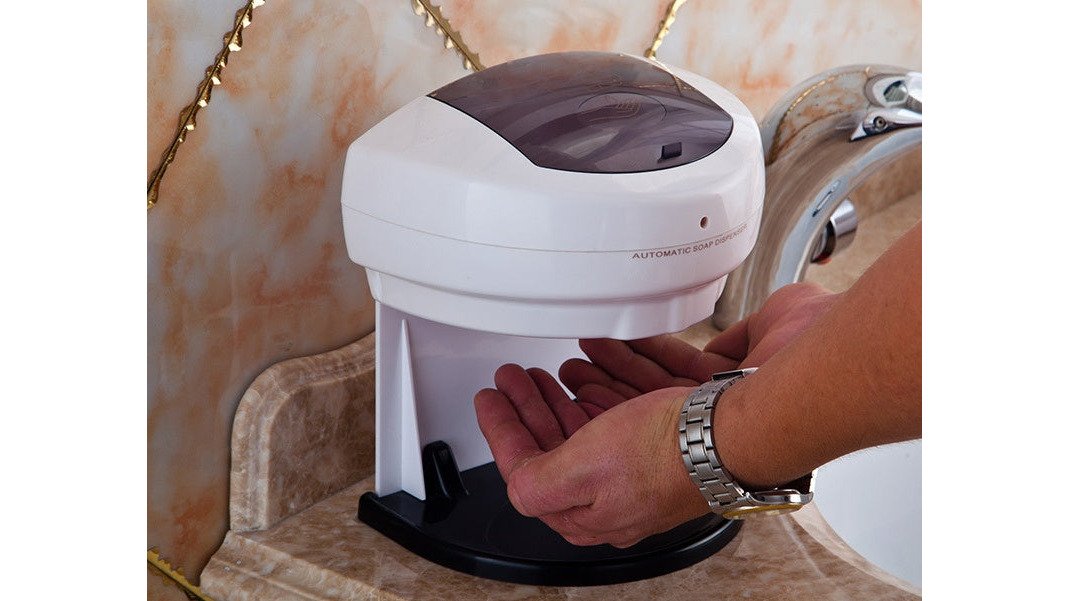
Smart home devices deliver their clearest benefits in high-traffic, high-touch areas: kitchens, bathrooms and hallways. A motion sensor cabinet light that switches on as you reach for a cupboard means no more balancing items while fumbling for a switch. An automatic wall-mounted soap dispenser with a 500 ml tank cuts refills and keeps counters clear, and its infrared sensor dispenses from 8-10 cm away for genuinely touch-free handwashing.

For busy households, the value is less about novelty and more about hygiene and flow. Fewer shared touchpoints means fewer surfaces to wipe down. Fewer refills means fewer interruptions. Wall-mounting keeps worktops clear, which matters more in a small kitchen than any app feature ever will.
The honest limitation: smart home devices only help if they are installed where the friction actually is. A sensor light in a cupboard nobody opens is just clutter with a battery.
Wearable Technology for Health and Fitness: What It Actually Tracks
Wearable technology for health and fitness tracks continuous heart rate, blood oxygen (SpO2), sleep stages, step count and workout-specific metrics across multiple sport modes. A modern fitness tracker watch typically bundles all of this into one device with a battery measured in days, not hours, and water resistance rated for swimming and showering.
What it does not do is diagnose anything. A tracker shows you a resting heart rate trend, a sleep pattern, a step count. What you do with that information is the part that changes outcomes. Many people find that simply seeing their daily step count nudges them to walk more; others find sleep tracking reveals how consistently late nights affect their mornings.
For anyone managing recovery or building a fitness habit, the practical benefit is feedback. Without it, progress is guesswork.
Advantages and Disadvantages of Modern Gadgets: An Honest Look
The advantages and disadvantages of modern gadgets come down to fit, not quality. A well-chosen device saves time, improves comfort and supports health goals. A poorly chosen one adds an app, a charger and a maintenance task to your life.
Motion Sensor Cabinet Light Battery Display Screen →
| Advantage | What It Looks Like in Practice | The Trade-Off |
|---|---|---|
| Time saved | Automated lighting, touch-free dispensing | Setup time upfront |
| Health awareness | Continuous heart rate and sleep tracking | Data you must act on |
| Comfort | Fewer awkward reaches, better posture cues | Requires correct placement |
| Convenience | One charging standard, fewer cables | Another device to maintain |
| Cost spread | Small purchases, long useful life | Cheap gadgets fail faster |
The most common disappointment is not a faulty product. It is a product bought for the wrong reason. If you cannot name the specific problem it solves, it will likely end up in a drawer.
How to Choose Modern Gadgets That Genuinely Improve Your Routine
Choosing well starts with the problem, not the product. Work backwards: identify the friction, then find the simplest device that removes it, then check whether it fits your existing routine without adding steps.
A practical checklist:
- Name the specific task or annoyance this replaces
- Check the power source and how often it needs charging or replacing
- Confirm it fits your space, including mounting and clearance
- Verify compatibility with what you already own
- Read the specification, not just the marketing copy
- Decide where it lives before it arrives
For UK buyers, two practical points matter. First, check the returns policy before ordering, particularly for anything you would want to see in person. Second, confirm the power rating and plug type suit your home rather than assuming a generic adapter will do.
This is where a curated retailer earns its keep. Indira Enterprises Ltd stocks a focused range of home, wellness and fitness gadgets, so you are choosing between options that have already been filtered rather than scrolling through thousands of near-identical listings.
Conclusion: Smarter Living Starts With One Good Gadget
The challenge is not finding gadgets; it is choosing the few that genuinely fit your day. Most households do not need a fully connected home. They need three or four devices that quietly remove friction, and the discipline to skip the rest.
That is how we approach our range at Indira Enterprises Ltd. Every product is selected to solve a real problem, backed by secure checkout, delivery options and a catalogue built around comfort, convenience and everyday use. Start with one gadget that addresses your most frequent annoyance, and let the results decide whether a second is worth it.
Frequently Asked Questions
How do modern gadgets make everyday life easier?
They remove small, repetitive tasks that add up over a week. A motion sensor cabinet light means no fumbling for a switch when your hands are full. An automatic soap dispenser cuts contact and refills less often. A smart fitness tracker watch logs your steps and sleep without you writing anything down. None of these are dramatic on their own, but together they save minutes daily and reduce the mental load of routine chores.
Which useful gadgets for everyday life are worth buying first?
Start with the ones that solve a problem you notice daily. If you charge a smart bracelet often, a magnetic charging cable at £9.99 removes the fiddly connector. If your kitchen counter is cluttered, a motion sensor cabinet light at £29.99 adds light without wiring. If handwashing is constant in your household, an automatic wall soap dispenser at £59.99 holds 500 ml so you refill less. Pick one friction point, fix it, then move on.
Can wearable technology for health and fitness really help improve your health?
It helps most when it makes patterns visible. A smart fitness tracker watch with continuous heart rate and SpO2 monitoring, 14 sport modes and a 7-day battery gives you a record of activity and sleep you would otherwise guess at. That record is what prompts change: you see the short nights, the quiet days. It does not replace medical advice, but it gives you and your GP something concrete to discuss.
What are the disadvantages of relying on modern gadgets?
Three stand out. Cost adds up if you buy gadgets you never use, so buy for a specific problem. Charging and maintenance become another chore if you own too many devices. And over-reliance on alerts can dull your own judgement, such as ignoring how you feel because your tracker says you are fine. The fix is simple: keep the gadgets that save you time or give you useful data, and drop the rest.
Start with the problem you notice most often, then find the simplest device that solves it. Browse the Indira Enterprises Ltd collection for curated home, wellness and fitness gadgets, each chosen to make daily routines easier, and use our secure checkout to get started.



Leave a comment
This site is protected by hCaptcha and the hCaptcha Privacy Policy and Terms of Service apply.