


Table of Contents
- What the Research Says About Expensive Wellness Products
- How to Evaluate Wellness Technology Before You Buy
- The Psychology of Premium Pricing in Wellness
- Best Smart Fitness Recovery Gadgets 2026: What's Worth Buying
- Third-Party Testing Transparency: What Brands Don't Tell You
- Long-Term ROI: When Expensive Wellness Products Pay Off
- Overrated Wellness Trends and Products to Skip
- Conclusion: Making Smarter Wellness Purchases
- Frequently Asked Questions
Last Updated: October 2, 2026
What the Research Says About Expensive Wellness Products
Whether expensive wellness products are actually better depends on one thing: whether the extra cost buys a measurable function, not a feeling.

How to Evaluate Wellness Technology Before You Buy
Evaluating wellness technology means checking three things in order: what the device physically does, whether independent testing supports that claim, and whether the cost-per-use makes sense for you. Skip any of the three and you are guessing.
Three Questions That Separate Evidence From Marketing
- What is the measurable output? Look for RPM, wavelength, temperature range, battery life, sensor accuracy. Numbers you can compare.
- Who verified it, independently? Manufacturer claims are marketing until a third party confirms them.
- What happens if it does not work for me? A clear returns policy lowers your real risk far more than a discount does.
The Psychology of Premium Pricing in Wellness
High prices make products feel more effective before you have even used them. That is not cynicism, it is documented consumer behaviour. Price acts as a quality cue, and in wellness, where results are often subjective, the cue does a lot of the work.
Three Effects Doing the Heavy Lifting
Most guides stop at "expensive feels better". The mechanism is more specific than that, and it is worth naming so you can spot it in yourself.
- Price-quality inference. When you cannot verify a product's performance directly, which is true of almost every wellness device before you own it, your brain substitutes price for evidence. A higher number is treated as a proxy for a better result. This is why two identical massage guns, one at £64 and one at £180, will be rated differently by the same person after a week.
- Effort justification. The more you pay, the more motivated you are to defend the purchase. You notice the sessions that helped and discount the ones that did not. Over time this rewrites your memory of the product's performance, which is why owner reviews of premium devices skew positive even when independent testing is unremarkable.
- Luxury signalling. A device on your desk or wrist communicates something about you, to yourself as much as to anyone else. That signal has real value, but it is a social and psychological benefit, not a physiological one. Confusing the two is how people end up paying for a brand mark and calling it a health outcome.
What This Means for Your Buying Decision
None of this is illegal or even dishonest. Brands are allowed to position products, and a premium price genuinely does change how you experience a product. The problem is when you mistake that experience for evidence of superior function.
Best Smart Fitness Recovery Gadgets 2026: What's Worth Buying
The best smart fitness recovery gadgets in 2026 are the ones with a defined mechanism, a realistic price and a use case you will actually repeat. Based on our catalogue and what customers tell us, here is what earns its place.
Percussion and Acupressure Tools
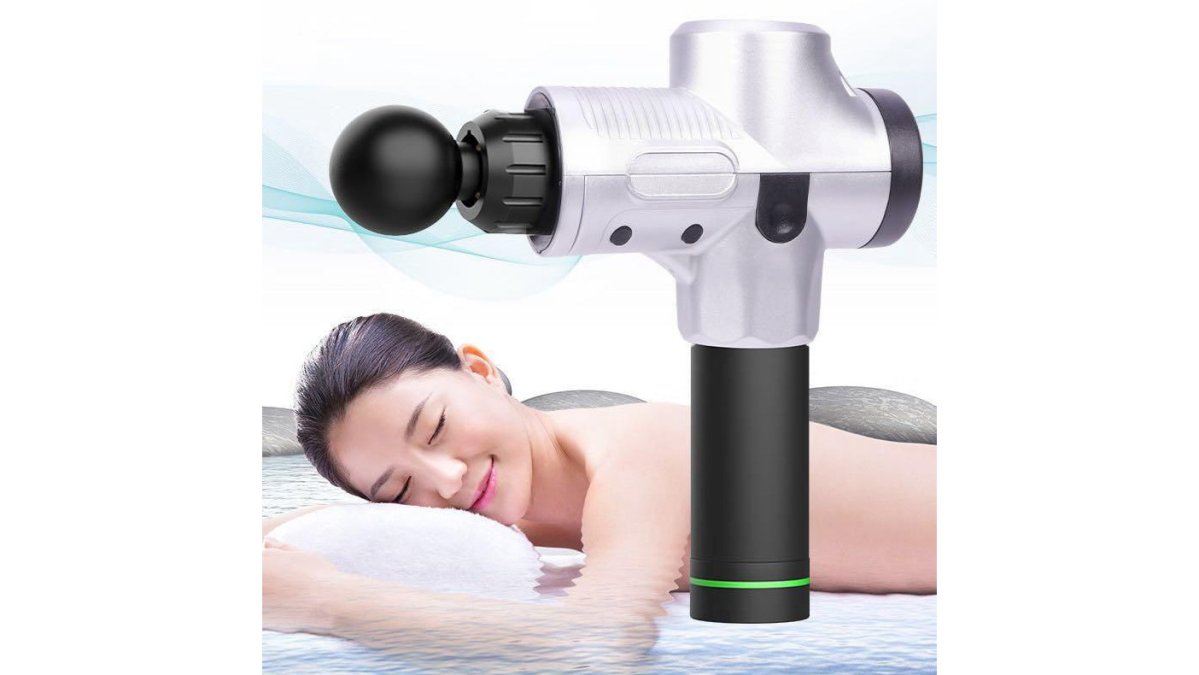
The Pro Massage Gun Deep Tissue Percussion Massager (£64.02) is the clearest example of price tracking function. Six speed settings up to 3200 RPM, eight interchangeable heads, a 2500mAh battery rated for up to six hours, and a motor under 45dB. Those are comparable specifications, not vague promises. The trade-off: it is a recovery tool, not a treatment for an injury, and it will not replace professional assessment if pain persists.
Wearables and Body Composition Devices
The Smart Body Composition Scale (£40.53) measures 13 metrics including body fat, muscle mass, bone density and visceral fat, with WiFi and Bluetooth sync to Apple Health and Google Fit. These figures are trend data, not clinical measurements. Watch the direction over months, not the number on any single morning.

| Product | Price | Key Spec | Best For |
|---|---|---|---|
| Pro Massage Gun | £64.02 | 3200 RPM, 8 heads | Post-training muscle soreness |
| Acupressure Mat Set | £40.05 | 6,210 points | Desk-related tension and stress |
| Smart Body Composition Scale | £40.53 | 13 metrics, WiFi | Tracking body composition trends |
| Smart Fitness Tracker Watch | £48.73 | SpO2, 14 sport modes | Daily activity and sleep tracking |
Third-Party Testing Transparency: What Brands Don't Tell You
Third-party testing is where the wellness industry is weakest. Many brands publish in-house results and present them as independent. Others cite studies on ingredients or mechanisms rather than on their finished product.
Red Light Therapy Face Mask LED 7 →
Long-Term ROI: When Expensive Wellness Products Pay Off
Expensive wellness products pay off when three conditions line up: daily use, a defined job, and durability past the warranty. Remove any one and the maths collapses.
Overrated Wellness Trends and Products to Skip
Several popular wellness trends do not survive scrutiny. This is not about the products being useless, it is about the premium being unearned. The hard part is telling the two apart before you pay, so here is a framework rather than a list of things to avoid.
The Four Red Flags of an Unearned Premium
Run any product through these before you buy. One flag is a question. Two is a warning. Three or more and the price is doing work the product cannot.
- No measurable output. If the marketing describes a feeling ("balances your energy", "restores your glow") rather than a number (RPM, wavelength in nanometres, temperature range, sensor accuracy), there is nothing to compare and nothing to verify. A product that will not publish its specifications is telling you something.
- Borrowed evidence. A brand cites a study on an ingredient, a wavelength or a mechanism, but not on its finished product. The study may be real and the product may still not deliver it. Ask whether the specific device in the box was tested, not whether the technology in principle works.
- Subscription-locked basics. Paying monthly for features that should be built in adds cost without adding capability. If the core function stops when the subscription does, you are renting the product, not buying it.
- Duplicated function. Two devices that do the same job mean one is wasted money. Map what you actually need, percussion, pressure, measurement, monitoring, before you buy, and refuse to own two tools that cover the same ground.
Trends That Commonly Fail the Test
- Trend-driven detox devices. The claim is vague and the mechanism is undefined, so the price reflects novelty rather than function. There is no measurable output to hold the brand to.
- Cult-favourite gadgets with no specifications. Popularity is not evidence. A large following tells you the marketing worked, not that the device performs.
- "Clinically proven" with no citation. This phrase is doing the work of a study without being one. A named testing body and a published protocol are the only things that count.
- Premium accessories with no independent function. Cases, stands and travel kits priced as if they were the device itself. They are not overrated products so much as overpriced add-ons.
The Pattern Behind All of Them
Market saturation makes this worse. When the underlying technology has converged, and in percussion, red light and wearables it largely has, brands compete on image because they can no longer compete on mechanism. That is why the same specification appears at £64 and at £180, and why the more expensive one is often the one with the better photography.
Conclusion: Making Smarter Wellness Purchases
The gap between hype and value comes down to one habit: asking what a product physically does before asking what it costs. Expensive wellness products are better when the price buys measurable function, independent verification and durability. They are worse when it buys a feeling.
Frequently Asked Questions
Are expensive wellness products actually better for your health?
Not automatically. Price reflects branding, packaging and retail margins as much as performance. Some expensive wellness products do deliver measurable benefits, particularly where clinical efficacy has been tested and published. Others charge a premium for ingredients or technology that show no advantage over cheaper alternatives. The deciding factor is evidence, not price. Look for third-party testing, published research and transparent ingredient lists before assuming a higher price means better results.
How do I tell if a wellness product is worth the premium price tag?
Start with a cost-benefit analysis. Ask what specific outcome the product promises, whether any independent studies support that claim, and how often you will realistically use it. A £64 massage gun used five times a week for muscle recovery offers better value than a £200 device that sits in a drawer. Check for ingredient transparency, regulatory oversight and whether the brand publishes third-party testing results. If a product cannot answer those questions, the premium is probably luxury positioning rather than clinical efficacy.
Do luxury wellness brands offer better clinical results?
Sometimes, but not because of the luxury label. A higher price can fund better research, higher-quality materials and stricter manufacturing standards. It can also simply fund nicer packaging and celebrity marketing. The placebo effect is real and can make an expensive product feel more effective, which complicates self-assessment. The reliable test is whether the brand can point to standardised testing or peer-reviewed evidence. Without that, you are paying for perception, not proven performance.
What are the best smart fitness recovery gadgets in 2026?
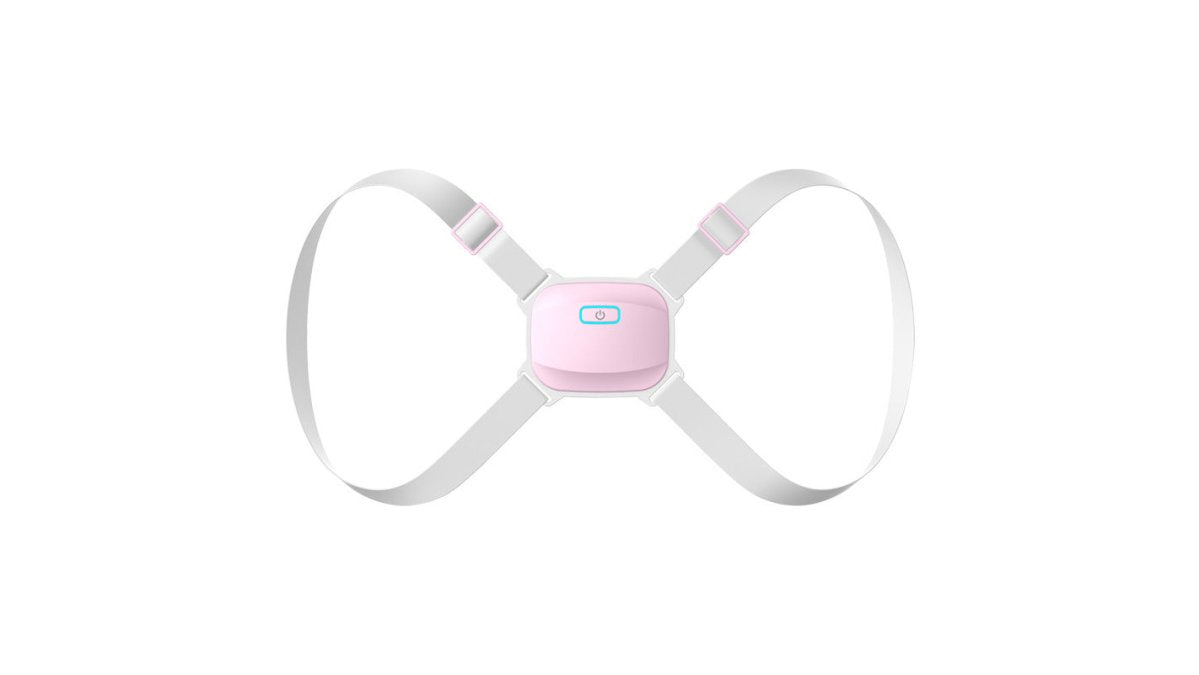
The most useful recovery gadgets in 2026 combine a clear purpose with practical specs. A percussion massage gun with multiple speed settings and interchangeable heads handles deep tissue work. A smart body composition scale tracking 13 metrics gives you data beyond weight. A fitness tracker watch with continuous heart rate and SpO2 monitoring supports health optimisation between sessions. A smart posture corrector with vibration alerts helps desk workers retrain habits. Each of these costs under £70.
Which wellness trends are backed by science versus marketing hype?
Red light therapy has a growing body of clinical research behind it, particularly for skin concerns, and devices using specific wavelengths have a clearer rationale than generic LED gadgets. Percussion therapy for muscle soreness also has supporting evidence. By contrast, many detox teas, alkaline water products and unregulated supplements rely on marketing claims with little scientific validation. Consumer skepticism is healthy here. Check whether a claim references standardised testing or published studies, and treat cult-favourite status as a signal of popularity, not proof.

Leave a comment
This site is protected by hCaptcha and the hCaptcha Privacy Policy and Terms of Service apply.