

Table of Contents
- What You'll Need Before You Start
- Simple Ways to Speed Up Recovery: The Essentials
- Active Recovery Techniques That Actually Work
- The Best Tools for Muscle Soreness at Home
- How Long for Muscle Recovery? Setting Realistic Timelines
- Contrast Therapy, Heat and Cold for Faster Recovery
- Tracking Recovery and Age-Specific Adjustments
- Common Mistakes That Slow Recovery Down
- Frequently Asked Questions
Last Updated: September 30, 2026
What You'll Need Before You Start
You do not need a recovery lab to speed up recovery. You need a plan, a few basics, and the discipline to rest properly.

At Indira Enterprises Ltd, we see the same pattern: people train hard, then do nothing to help their bodies rebuild. Recovery is not passive. It is a set of small, repeatable actions.
Here is what to have ready before you start:
- Water and an electrolyte drink
- A protein-rich snack or shake
- A foam roller or massage tool
- Comfortable clothes for light movement
- A consistent bedtime
That is it. No expensive kit required to begin.
Simple Ways to Speed Up Recovery: The Essentials
The fastest way to speed up recovery is to give your body what it needs to repair tissue: fluid, food, sleep, and gentle movement. Skip any one of these and progress stalls.
Muscle protein synthesis is the process your body uses to rebuild damaged muscle fibres after exercise. It needs protein, rest, and time.
Get these basics right and everything else works better. Get them wrong and no gadget will save you.
Movement, Hydration and Nutrition Basics
Start with three daily habits.
Hydration. Muscles are mostly water. Even mild dehydration slows blood flow and tissue repair. Drink steadily through the day, not all at once. Add electrolytes if you sweat heavily.
Nutrition. Aim for protein at every meal to support post-workout nutrition. Add carbs to refill glycogen replenishment stores. Do not skip micronutrients from fruit and vegetables.
Movement. Light activity boosts circulation and helps clear metabolic waste removal from tired muscles.
A common mistake is under-eating on rest days. Your body repairs when you rest, so it needs fuel then too.
Sleep and Stress: The Overlooked Recovery Levers
Sleep is when most physical repair happens. Poor sleep slows tissue repair and raises inflammation.
Your circadian rhythm controls when your body releases repair hormones. Keep it steady with a fixed wake time, even at weekends.
Good sleep hygiene means:
- No screens for an hour before bed
- A cool, dark room
- No caffeine after early afternoon
- A consistent wind-down routine
Stress matters just as much. High stress keeps your central nervous system fatigue levels elevated, which delays recovery. Breathing exercises and short walks help here.
Active Recovery Techniques That Actually Work
Active recovery means light movement on rest days. It increases blood flow, eases muscle stiffness, and helps you feel better faster.
It is not a workout. Keep the effort easy.
Walking, Swimming and Low-Intensity Cardio
These are the safest options for most people.
- Walking: 20-30 minutes at a comfortable pace
- Swimming: gentle laps or water walking
- Cycling: easy spinning, no hills
- Yoga: slow flows, no strain
Keep your heart rate low, well under your anaerobic threshold. If you are gasping, you are working too hard.
Tissue oxygenation improves with easy movement. That means more oxygen reaches sore muscles, which helps them recover.
Dynamic Stretching and Mobility Flows
Dynamic stretching uses controlled movement through a range of motion. Static stretching holds a position still.
For recovery, dynamic work is usually better before activity.
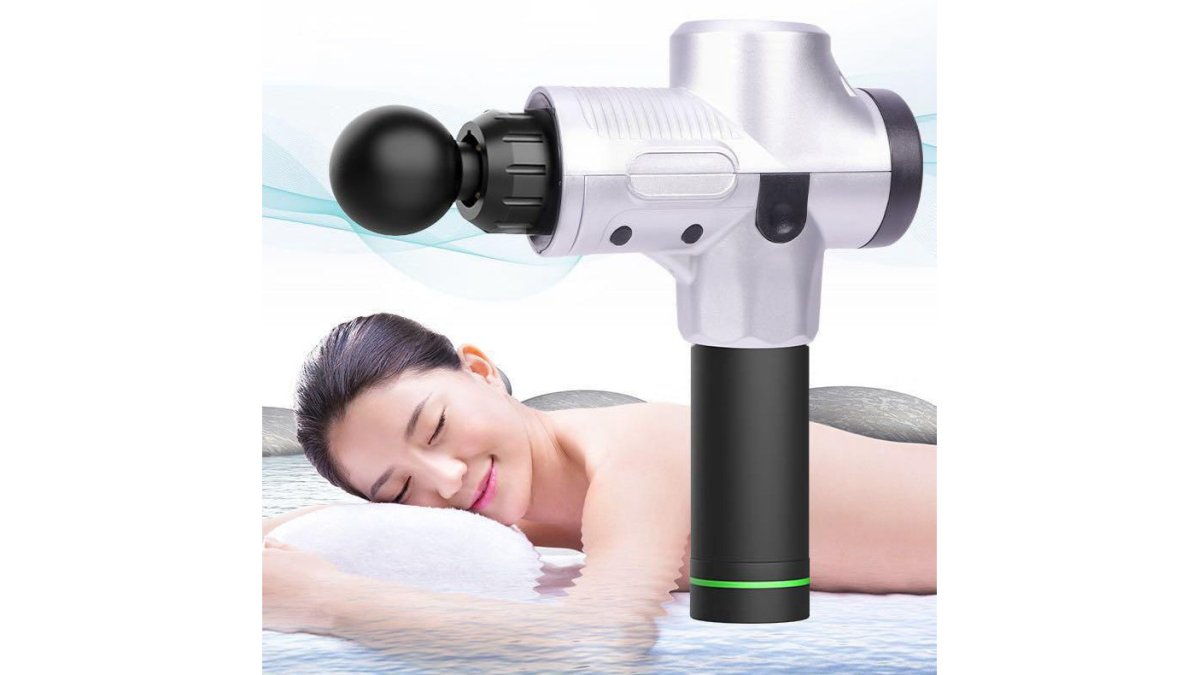
Pro Massage Gun Deep Tissue Percussion →
Try this short routine:
- Arm circles, 30 seconds
- Leg swings, 30 seconds each side
- Hip circles, 30 seconds
- Cat-cow spinal flow, 1 minute
- Ankle rolls, 30 seconds each
The Best Tools for Muscle Soreness at Home
The best tools for muscle soreness at home are ones you will actually use. A massage gun, a foam roller, and a TENS machine cover most needs.
Percussion, Foam Rolling and TENS Compared
Percussion therapy uses rapid pulses to reach deep tissue. It helps with DOMS and tight spots.

| Tool | Best For | Time Needed | Key Feature |
|---|---|---|---|
| Percussion massager | Deep tissue knots | 5-10 min | 6 speeds, 8 heads |
| Foam roller | Broad muscle groups | 5-10 min | Grid texture, 45cm |
| TENS machine | Localised pain | 15-30 min | 20 programmes |
How Long for Muscle Recovery? Setting Realistic Timelines
Most muscle soreness peaks 24 to 72 hours after exercise and eases within a few days. This is delayed onset muscle soreness, or DOMS.
- Light exercise: 24-48 hours
- Heavy lifting: 48-72 hours
- New or intense activity: up to 5 days
Contrast Therapy, Heat and Cold for Faster Recovery
Contrast water therapy alternates hot and cold water. It is a popular way to speed up recovery after hard sessions. The idea is simple: heat opens blood vessels, cold narrows them. Switching between the two may boost circulation and ease inflammation.
A Practical Contrast Protocol
A common approach:
- 1 minute in cold water
- 3 minutes in warm water
- Repeat 3-4 times
- End on cold
If full contrast bathing is too much, try a warm bath followed by a cool shower. Heat alone helps relax tight muscles. Cold alone helps numb sore spots.
Heat, Cold and When to Use Each
The choice matters more than the recipe:
- Cold is best in the first 24-48 hours after a knock or a very hard session, for numbing and reducing swelling
- Heat is best for tight, stiff muscles and for general relaxation before gentle movement
- Contrast sits between the two and suits people who want the circulation effect without committing to one extreme
Skip contrast therapy if you have circulation problems, heart conditions or uncontrolled blood pressure. Check with a doctor first. Never use extreme cold on numb skin or on areas with reduced sensation.
The Angle Most Guides Miss: Recovery Is Not Just Physical
Here is where this section earns its place. Recovery is not only about tissue. Your nervous system needs to come down too, and contrast therapy, a warm bath or even a quiet shower can double as a psychological reset. A warm bath before bed raises your core temperature slightly; as it drops afterwards, it can help you fall asleep, which links directly back to the sleep levers above.
Tracking What Actually Helps You
Because the evidence is mixed, the honest approach is to test it on yourself. Note how you feel the morning after a contrast session versus a plain rest day. If you use a wearable, watch your heart rate variability and resting heart rate for a few days afterwards. Patterns matter more than any single session, and they will tell you whether heat, cold or contrast is worth your time.
Tracking Recovery and Age-Specific Adjustments
Recovery changes as you age. It also changes week to week based on sleep, stress, and training load.
Tracking helps you spot patterns. Simple methods work best.
- Note how sore you feel each morning
- Log your sleep hours
- Track resting heart rate
- Watch heart rate variability if you use a wearable
Age-specific notes:
- Under 30: recovery is usually faster, but do not skip the basics
- 30-50: sleep and nutrition matter more
- Over 50: prioritise joint mobility, protein, and slower progressions
Common Mistakes That Slow Recovery Down
Most recovery mistakes come from doing too much or too little. Both slow you down.
Here are the ones we see most:
- Skipping rest days entirely
- Training hard on already-sore muscles
- Drinking too little water
- Eating too little protein
- Sleeping under seven hours
- Using painkillers to push through pain
- Ignoring lactic acid myths and overdoing "flush" workouts
Fix the basics first. Then add tools and techniques.
Frequently Asked Questions
What helps speed up recovery after a workout?
The biggest levers are sleep, hydration and protein. Aim for 7-9 hours of sleep, drink enough to keep urine pale, and eat 20-40g of protein within a few hours of training to support muscle protein synthesis. Light movement such as walking or swimming on rest days also helps blood flow and metabolic waste removal. Tools like a massage gun or foam roller can ease muscle stiffness between sessions, but they work best alongside these basics rather than instead of them.
Can muscles recover in 24 hours?
For small muscle groups after light sessions, 24 hours is often enough. Heavier resistance training or unfamiliar movements usually cause delayed onset muscle soreness (DOMS) that peaks at 24-72 hours. Full tissue repair can take longer. How long for muscle recovery depends on training intensity, age, sleep quality and nutrition, so treat 24 hours as the floor, not the norm, for hard sessions.
Do active recovery techniques really improve results?
Yes, when kept genuinely easy. Walking, swimming, cycling at low intensity or a short mobility flow raises blood flow and tissue oxygenation without adding central nervous system fatigue. Keep active recovery techniques under 30 minutes and at a pace where you can hold a conversation. Pair them with hydration and electrolytes if you sweated heavily, and you will often feel less stiff the following day.
Are there simple tools to help alleviate muscle tension?
A few options cover most needs. A percussion massage gun with adjustable speeds targets deep tissue and improves circulation. A high-density foam roller supports myofascial release across the back and legs. A TENS machine uses gentle electrical pulses to block pain signals and stimulate endorphin release, which suits persistent neck, shoulder or back tension. Use any tool for short sessions, avoid bony areas, and stop if you feel sharp pain.
Recovery is not a luxury. It is part of training, and skipping it costs you progress. At Indira Enterprises Ltd, we stock practical recovery tools that fit real routines, from the Pro Massage Gun with six speeds and eight heads to the High-Density Foam Roller and Dual Channel TENS Machine. Every item ships with secure checkout and worldwide delivery. Get started with Indira Enterprises Ltd and give your body the support it needs to bounce back faster.



Leave a comment
This site is protected by hCaptcha and the hCaptcha Privacy Policy and Terms of Service apply.